What a Florida Freeze Looks Like at Cheyne Ranch 🥶🐴
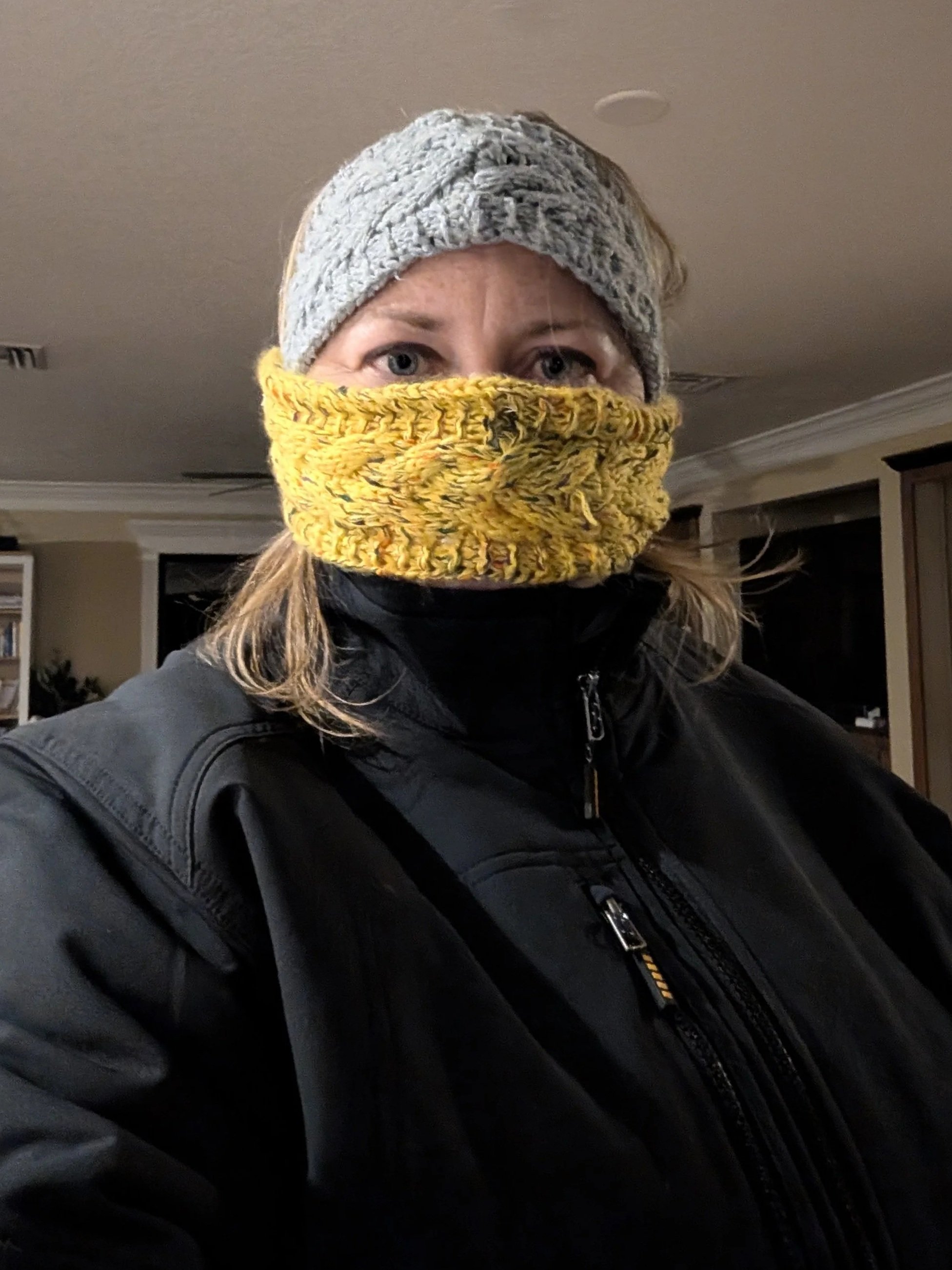
I used 2 of those ear warmer head band things to go outside at night - I’m so lucky I have a real winter coat!
Video of a midnight animal check
tl;dr A 3-night Florida freeze looks like no sleep. and expensive. It is expensive.
Its COLD 🥶❄️ ☃️
If you've been watching the news this week, you know that an unprecedented cold snap hit Florida — hard. Temperatures plunged into the low 20s across Central Florida and stayed there for 12 to 15 hours at a stretch over multiple nights. It was the kind of cold Florida hasn't seen since 2010! 🌡️
We wanted to share what those three nights actually looked like here at Cheyne Ranch — because caring for 60+ animals in a freeze like this is a massive undertaking, and we're proud of how our family, our team, and our community came together to get through it.
All Hands on Deck 👨👩👧👦
In the days leading up to the freeze, volunteers, workers, students, all 4 Cheyne kids — all of us were working to prepare the barn. We were also expecting high winds that first night, so we had to completely clear out everything from the barn aisle. It kind of felt like hurricane prep in that sense (but in February?)
Once the cold hit, there was not a lot of sleep happening. My husband Philip did checks on the animals and pipes every single hour overnight that first night. When he saw how fast the temperatures were dropping, he placed (many) hand warmers next to our main above-ground pipe / valve thing (backflow device that ALL our water comes through) and wrapped them in multiple layers of towels and blankets to slow the heat loss. At 1 AM, I told him the goats seemed cold — so he went out and built them a wind block out of hay bales and tarp - I think they were happy. 🐐💨
Keeping Animals Warm and Fed 🐎🥕
Here's something you might not know: horses generate heat through their hindgut fermentation — the process of digesting forage actually produces warmth from the inside out! So when temperatures drop dangerously low, one of the most important things we can do is keep them eating. Over the course of three freezing nights, we went through roughly 30% more hay than normal, making sure every horse had constant access to forage to keep their internal furnaces running. 🔥
We also purchased large quantities of extra bedding — mostly shavings — to insulate stalls and give animals warm, dry places to rest. By the time the cold hit, supplies were running thin everywhere. One of our team members, Katie, drove to multiple stores searching for what turned out to be the last available bag of straw. 🙌
For our senior horses, we were incredibly fortunate. Our community rallied and donated blankets, towels, and even horse blankets, which allowed us to double up on layers for the animals who needed it most. ❤️
Our barn cats had warming mats to get them through the coldest hours 🐱, and every animal on the property got extra attention and monitoring throughout each night.
The Water Problem 💧
Water was the other big challenge and most likely the most expensive challenge.
Pipes start to be at risk once temperatures drop below 32 degrees, and we noticed our hoses were freezing solid within an hour of hitting that mark — which tells us our property may have actually been a few degrees colder than what our weather app was showing. 🥶
Our automatic waterers broke due to the freeze and will need to be replaced entirely. To protect our outdoor pipes, we kept water running through them all three nights — the right call to prevent catastrophic pipe bursts, but our water bill is going to tell quite a story! 😅 We did still experience a couple of broken pipes despite our best efforts, which added to both the water loss and the repair costs.
Between the hay, the bedding, the waterer replacements, the broken pipe repairs, the water bill from three nights of running lines, and the increased electric bill from running heaters and warming mats — it adds up fast. And that's before you count the extra labor during the prep and aftermath.
It's Bigger Than Us 🤝
We know we're not alone in this. Small farms and agricultural operations across Central Florida are dealing with the same kind of unplanned expenses and losses right now.
Our friend Dennis Langlois at Black Hammock Bee Farms — right here in Oviedo — lost approximately 50% of his bees in the freeze. 🐝 That is a devastating loss.
Across the state, citrus and berry growers are still assessing damage after running irrigation systems around the clock and working through the night to protect their crops. The Florida Agriculture Commissioner has requested a federal disaster declaration. If you're interested in the bigger picture of how this freeze impacted Florida agriculture, this AccuWeather article is a good read. 🍊
Why We Do It 🌿
A freeze like this is exhausting. It's expensive. It's a lot of sleepless nights and cold hands and worrying about animals in the dark. But every one of us — our family, our staff, our volunteers — showed up without hesitation. Because that's what you do when animals depend on you. ☀️
We're so grateful for the community members who dropped off blankets and supplies, for the volunteers who came out in the cold, and for the team members who went above and beyond. This is what Cheyne Ranch is all about. 💚
Video of a midnight animal check