Safe Enough to Breathe Together
I was reading Sapiens: A Brief History of Humankind by Israeli historian Yuval Noah Harari, thinking about who humans are beneath all the systems, stories, and social constructs we create. Then I spent the day at a horse show near Ocala, in a beautiful place built for competition, training, discipline, and the pursuit of excellence in equestrian sports.
A horse show, I realized, is one of those social constructs. And it sent me back to why I share horses the way I do.
I love that the show world exists. It asks people to be precise, patient, devoted, resilient, and brave, and it gives riders something to pour years of heart into. My daughter, Anna, is one of those riders, and watching her grow through her pursuit of this sport is one of my great joys.
Competition matters deeply to the people who love it, and it should.
That world also keeps horses visible. It invites people to admire their beauty, athleticism, intelligence, and power. For many people, it is the very first doorway into noticing horses at all. I am grateful for it.
And it reminds me, every time, that the part of horses I feel called to share is a quieter one.
It is about giving people access to the part of horses that helps us settle, connect, and remember that we do not have to perform to be worthy.
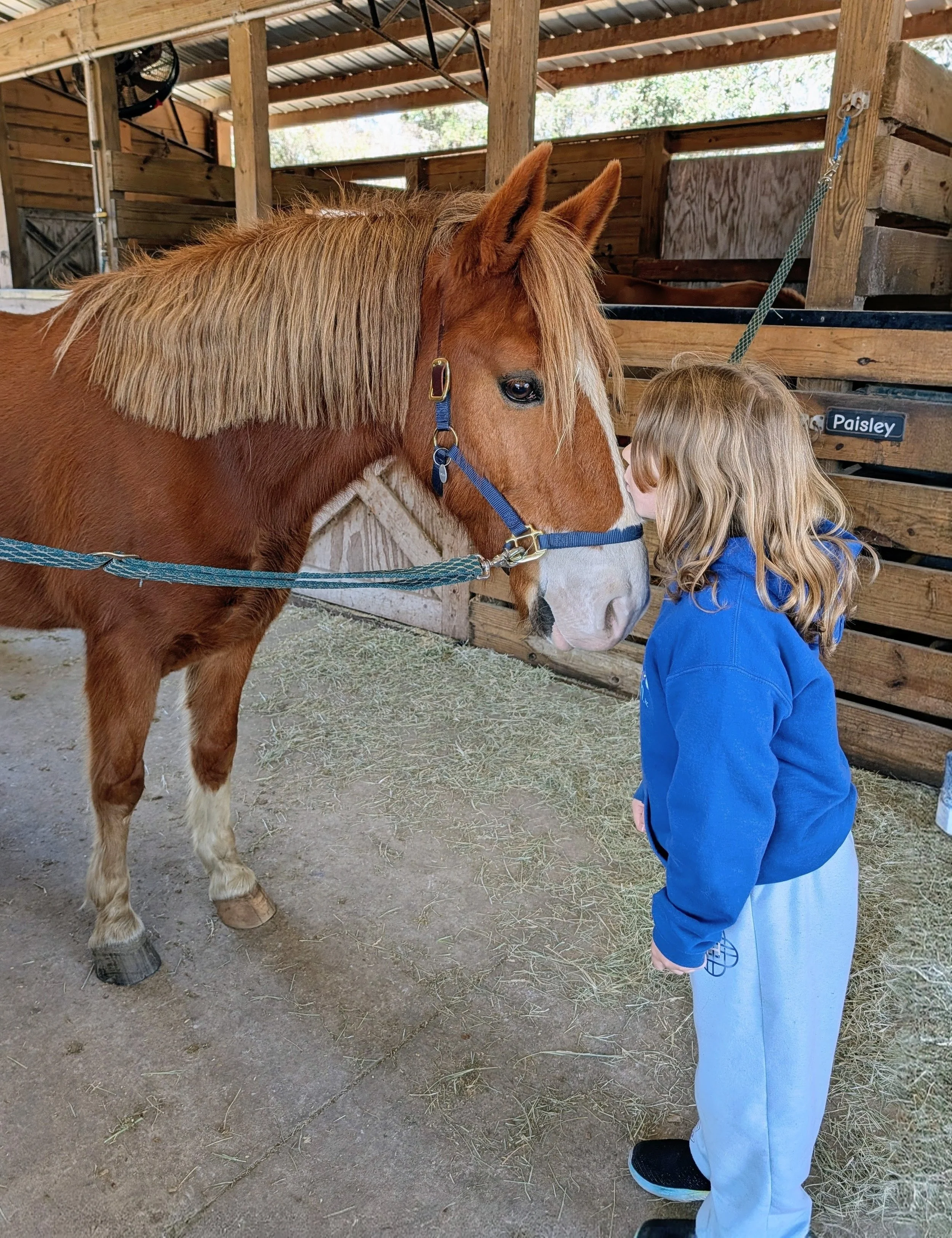
Historically, humans have asked a great deal from horses. We have used them for food, milk, transport, labor, war, sport, and status. But underneath all of that, there has always been something else simply there.
Presence.
Attunement.
The experience of being near a large, living, responsive animal who does not ask us to explain ourselves.
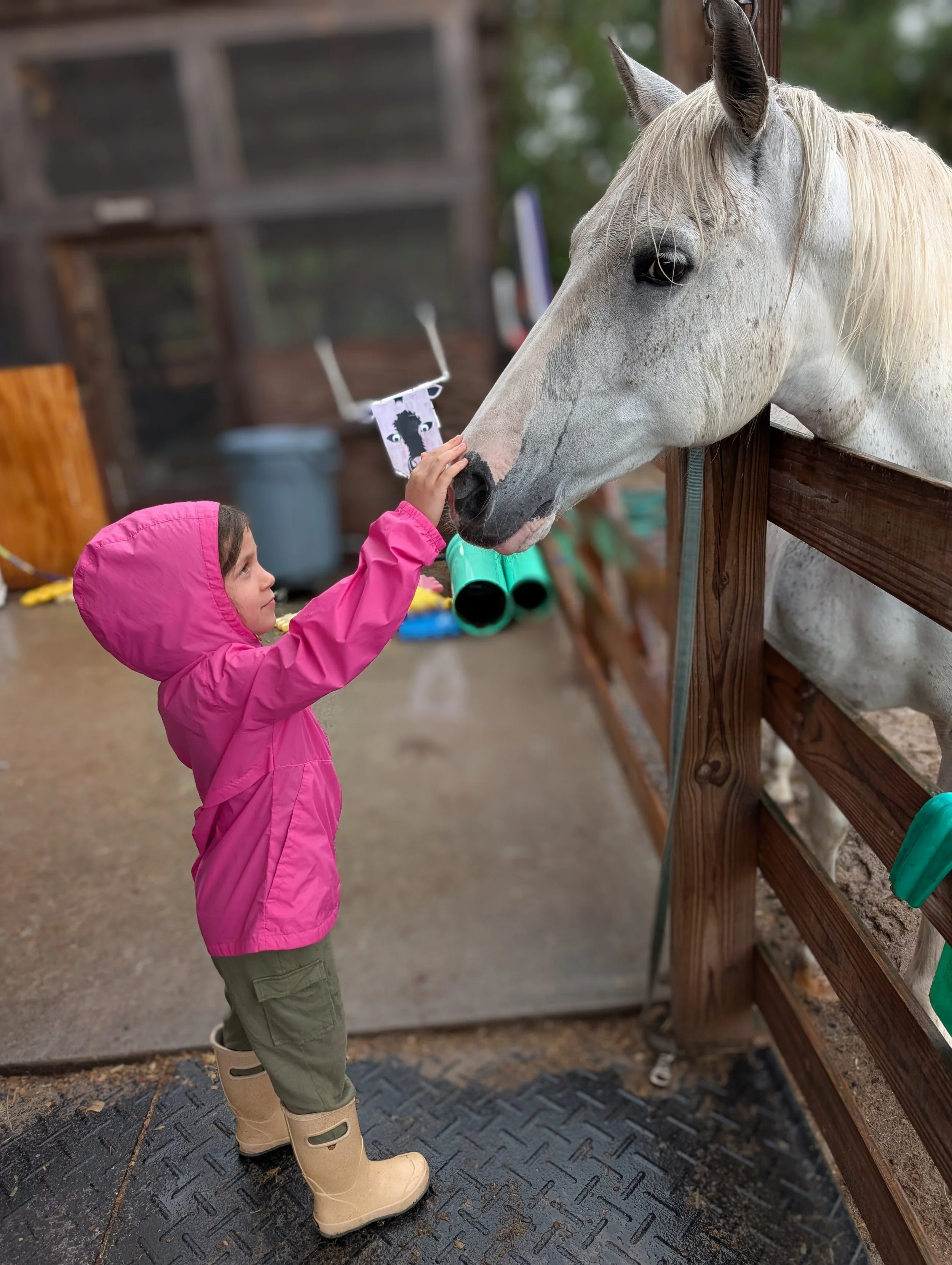
At Cheyne Ranch, this is the part of horses I most want to share — especially with children and adults with disabilities, special needs, and different ways of moving through the world. These are people whose lives are so often shaped by evaluations, goals, diagnoses, milestones, and expectations that can never fully capture the whole person or the worth of their presence.
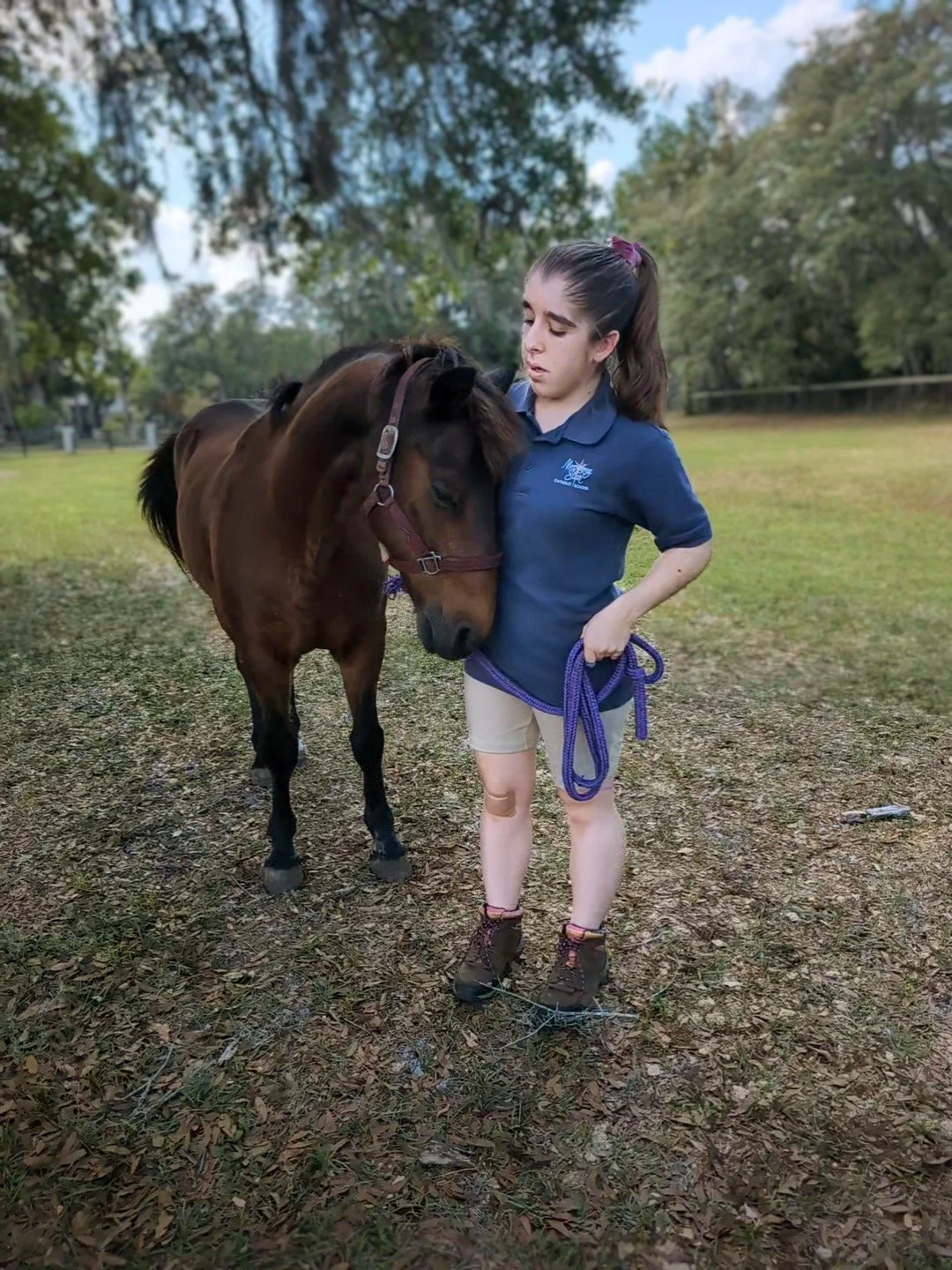
A horse does not ask for a diagnosis.
A horse does not care about a report card, a résumé, a social skills checklist, or whether someone moves through the world in a typical way.
A horse responds to breath, energy, movement, rhythm, tension, softness, consistency, and trust.
Being with a calm, attuned animal can lower the demand load that drives so much human stress. It gives the nervous system something steady to respond to. And in that steadiness, so many of the people who come to us do not just find calm.
They find joy.
This is what we have built at Cheyne Ranch, and it is what we would love to share with you: a place where you are welcomed exactly as you are, where your presence is enough, and where you might be surprised by how good it feels simply to stand beside a horse and breathe.
Because sometimes the greatest gift a horse gives is not a ribbon, a skill, or an accomplishment.
Sometimes the gift is simply this:
You are here.
I am here.
We are safe enough to breathe together.